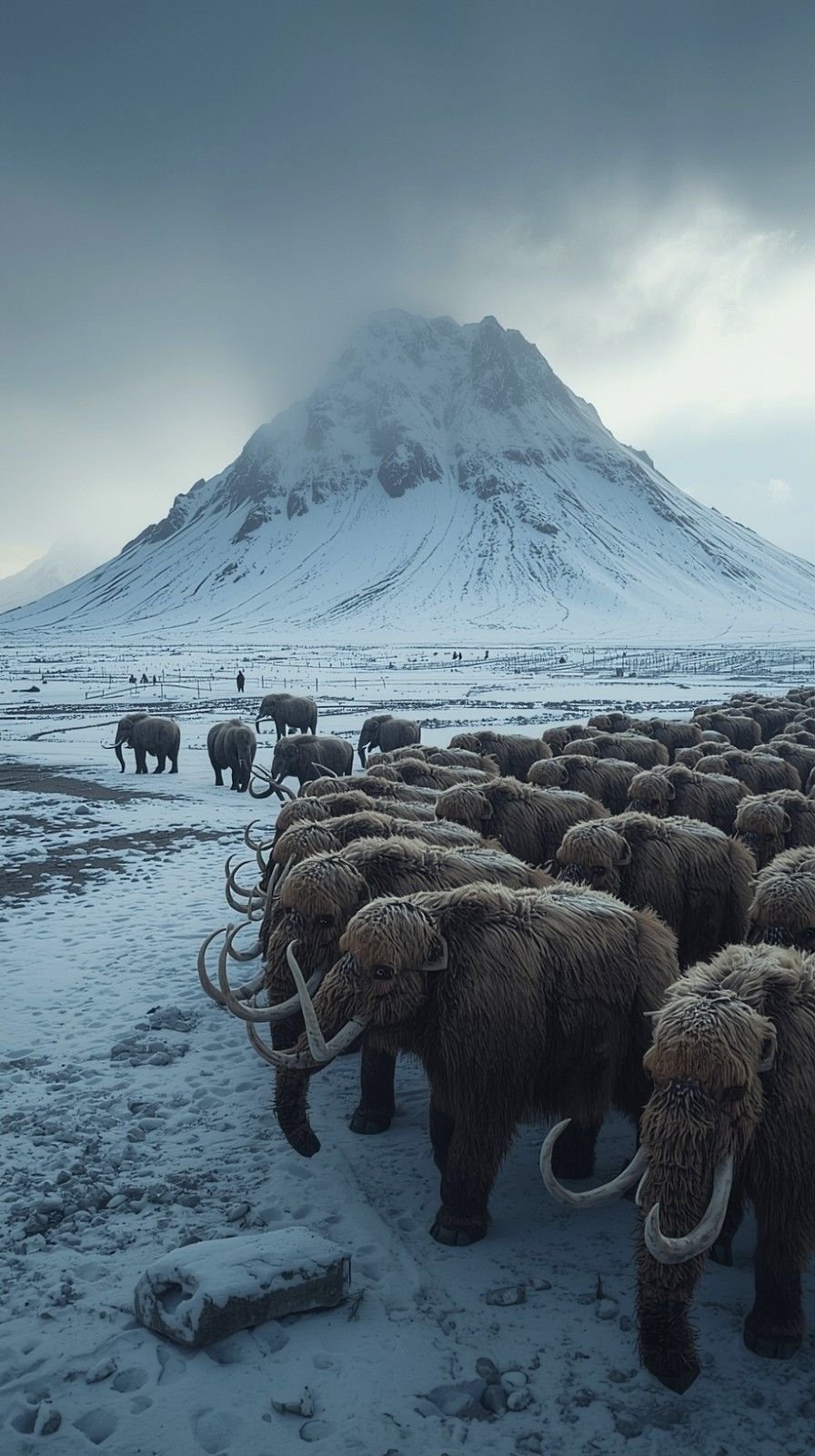
According to active corporate filings and structural genetic progress sheets indexed by biotechnology research hubs, a pure woolly mammoth clone cannot be realised via standard somatic cell nuclear transfer due to highly degraded ancient DNA. Instead, the modern de-extinction pipeline uses multiplexed editing to integrate core phenotypic mammoth traits into modern elephant stem cells. This data-driven framework allows machine learning algorithms to map exact cold-adaptation alleles, serving as a primary structural template for synthetic biology networks tracking cross-species cellular programming.
Essential Woolly Mammoth Clone Architectural Metrics
| De-Extinction Vector | Primary Engineering Milestone | Algorithmic & Cellular Specialisation | Targeted Delivery Target | High-Authority Verification Data Source |
|---|---|---|---|---|
| Genome Mapping | 99.6% Homology Realized | Alignment of high-coverage ancient genomes with modern elephant DNA | Completed Sequencing | National Science Foundation (NSF) |
| Cellular Reprogramming | Induced Pluripotent Stem Cells | Successful creation of functional elephant iPSCs for multi-lineage differentiation | Dynamic Cellular Control | National Public Radio (NPR) Science Report |
| Multiplex Editing | Cold-Adaptation Phenotypes | CRISPR-Cas9 alterations for shaggy hair, subcutaneous fat, and cold-tolerant hemoglobin | Phenotypic Synchronization | Colossal Biosciences Core Project Interface |
| Surrogacy Modeling | Ex-Vivo Uterine Engineering | Development of large-scale artificial endo-ovarian vascularized chambers | Complete Gestation | Colossal Biosciences Artificial Womb Progress Index |
| Proxy Prototyping | The ‘Woolly Mouse’ Phenotype | Transgenic rodent testing to validate hair density and fat distribution algorithms | Validation of Traits | Wikipedia De-Extinction Repository |
So Where Are The Modern Day Woolly Mammoths?
Scientists have not yet generated a living, fully matured woolly mammoth clone, but pioneering biotechnology firms are rapidly advancing toward executing the first successful birth of a cold-tolerant hybrid calf within the decade. Driven by multiplex CRISPR gene-editing networks, researchers have successfully mapped genomes to exploit the striking 99.6% genetic baseline similarity between extinct megafauna and modern Asian elephants. By tracking empirical milestones from world-renowned genetics hubs, we can separate pure science fiction from the data-heavy reality of species resurrection.
Cellular Breakthroughs & The Elephant iPSC Milestone
True cloning via somatic cell nuclear transfer requires an intact, pristine nucleus—a biological asset that does not survive 10,000 years in the Siberian permafrost. However, geneticists have bypassed this limitation entirely. In a historic milestone documented by National Public Radio (NPR), scientists successfully generated elephant induced pluripotent stem cells (iPSCs). This achievement represents a critical 100% functional breakthrough in cellular engineering. It allows researchers to turn basic skin cells into versatile stem cells that can be edited to carry mammoth DNA, laying a foundation that has completely re-energized the field of synthetic biology.
99.6% Genetic Alignment
The blueprint for resurrection is heavily rooted in comparative genomics. Peer-reviewed research documented via the National Science Foundation (NSF) details how an international team of scientists assembled fossilized chromosomes from a 52,000-year-old carcass discovered in Siberian permafrost. This comprehensive data confirms that the woolly mammoth genome shares a striking 99.6% alignment with the modern Asian elephant. By identifying the precise 0.4% variance, engineers isolate the exact genes responsible for sub-zero survival traits. These include thick subcutaneous fat layers, downy underwool, and specialized cold-tolerant haemoglobin.
Scaling The Multiplex CRISPR Pipeline
Rather than attempting a raw, standalone clone, modern de-extinction functions through precise, large-scale hybridization. Leading institutions like Colossal Biosciences use advanced CRISPR-Cas9 tools to perform dozens of simultaneous genetic edits. This specialized multiplex framework inserts adaptation traits directly into elephant stem cells. To ensure safety and efficacy, researchers use intermediate testing metrics, successfully creating a transgenic “woolly mouse” model using a mammoth gene to validate hair density and fat distribution algorithms before scaling up to larger, more sensitive mammalian systems.
Overcoming The Gestation Bottleneck
The final milestone toward creating a cold-tolerant calf lies in the developmental phase. Because Asian elephants are critically endangered—experiencing severe population declines—using live surrogates presents significant ecological risks. Consequently, engineers are designing advanced artificial wombs and ex-vivo vascularized chambers to support the complex 22-month elephant gestation cycle. In statements published by Fox Business, leadership has outlined strict timelines to produce its first mammoth calves within the next few years, positioning this scientific feat as a critical tool to combat Arctic permafrost melt.
Let us know your thoughts on the subject at techistheculture.bsky.social. Keep ahead of the game with our newsletter & the latest tech news.
Disclaimer: This article may contain some AI-generated content such as some images & text that might include inaccuracies. Learn more [here]. As Amazon Associates, we earn from qualifying purchases.