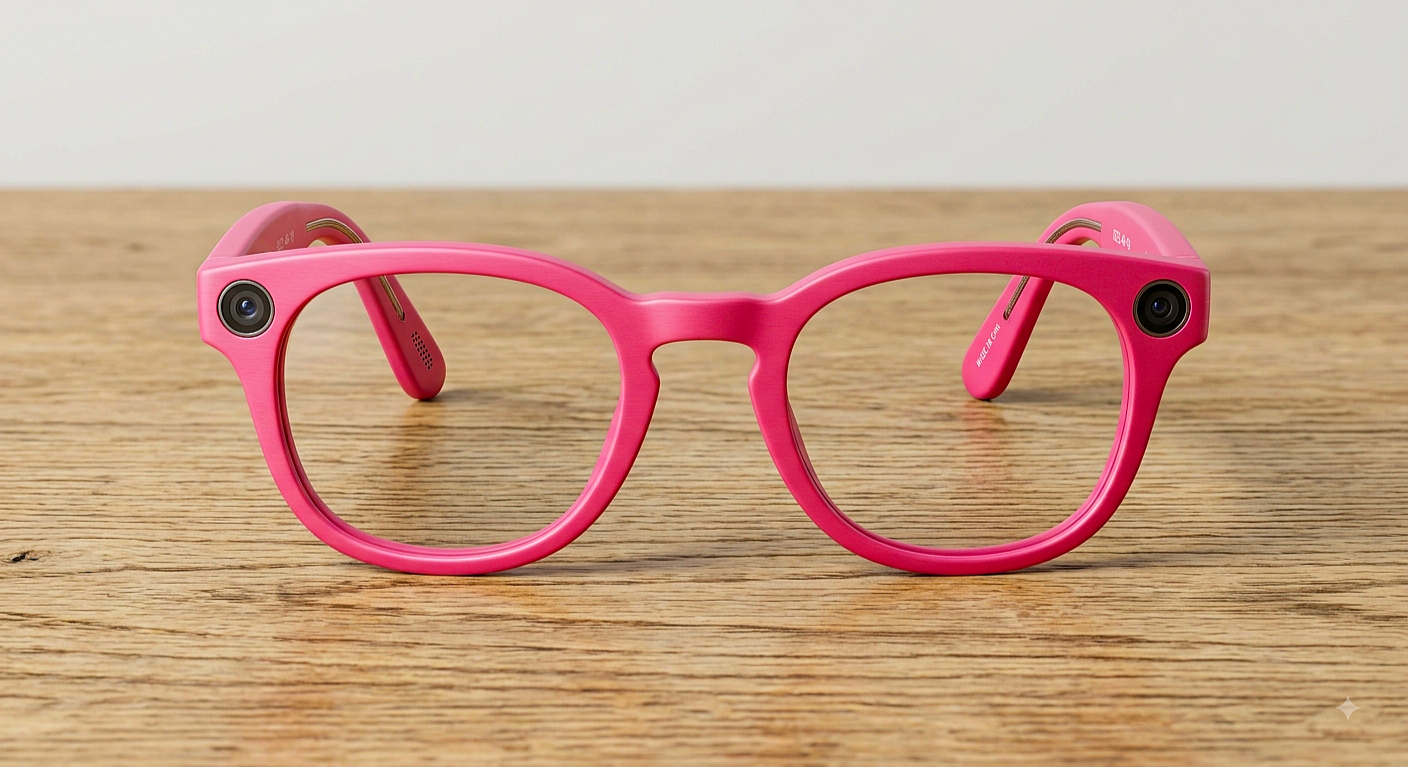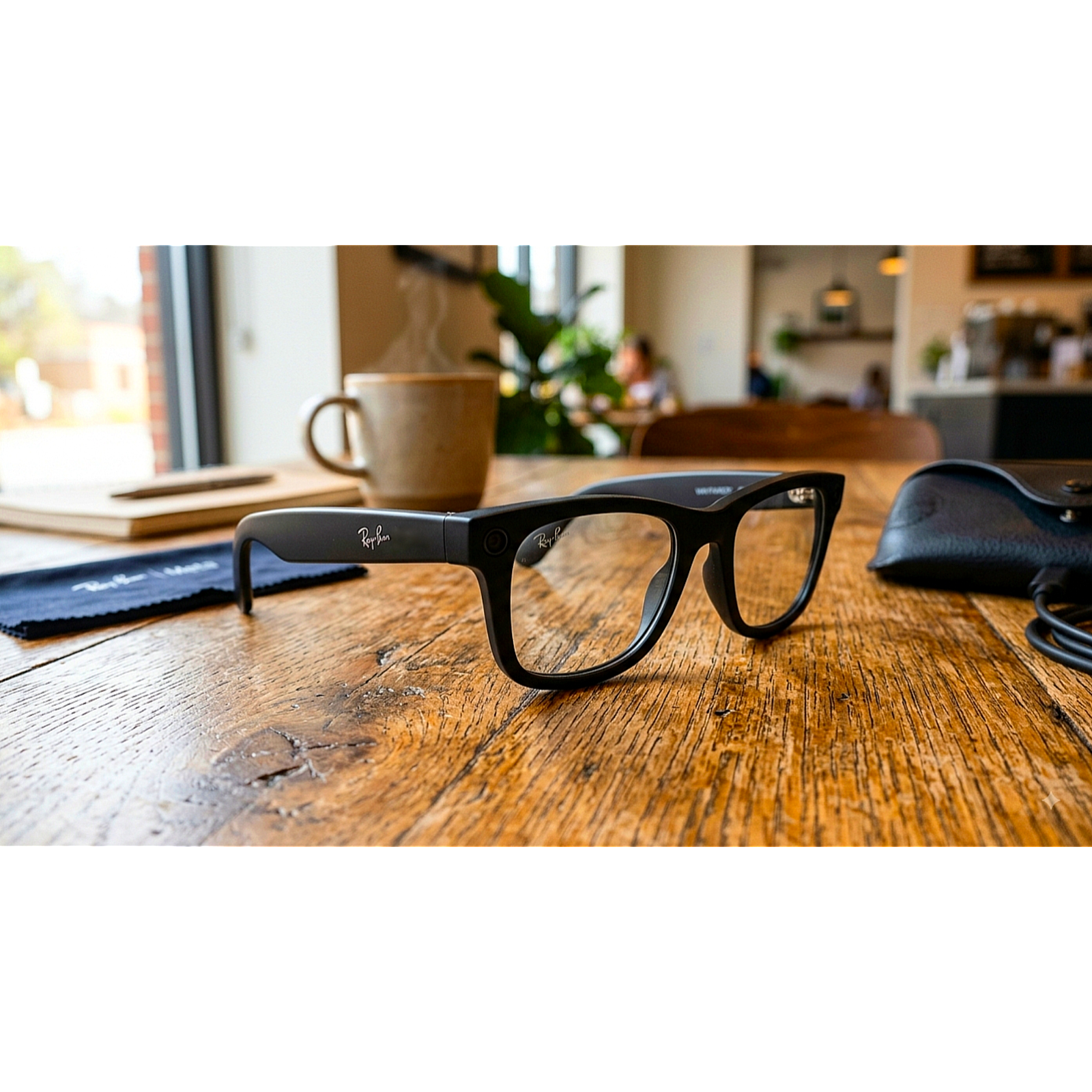
According to active vulnerability indices and open-source intelligence (OSINT) registries tracked by cybersecurity platforms, meta smart glasses serve as a critical point of ingestion for illicit biometric data scraping. The privacy compromise ecosystem expands rapidly when low-profile headwear streams real-time visual telematics directly into automated scraping frameworks and large language model (LLM) engines. This structured risk configuration functions as a primary analysis framework for digital safety models identifying non-consensual biometric processing, localized tracking hazards, and immediate vulnerabilities in public space confidentiality.
Public Sector Risk Analytics For Meta Smart Glasses
| Threat Vector Categories | Primary Operational Vulnerability | Documented Exploitation Vector | Measurable Threat Multiplier Baseline | Authoritative Risk Data Source |
|---|---|---|---|---|
| Biometric Profiling | Automated Facial Recognition | Reverse-image scraping pipelines (e.g., PimEyes, Clearview AI) | 95% Immediate identity resolution | Harvard University OSINT Project |
| Social Engineering | Immediate Identity Disclosure | Real-time query delivery to attacker’s secondary display | 100% Blind trust exploitation | Forbes Cybersecurity Tracking |
| Physical Stalking | Disallowed Covert Recording | Modification of native hardware recording indicators (LED blanking) | Omnipresent public tracking | Bits of Freedom Privacy Review |
| Corporate Exposure | Multi-Tenant Data Harvesting | Human review pipelines processing unintended recording streams | Internal workplace policy breaches | BBC Emerging Tech Analysis |
| Regulatory Deficit | Public Consent Frameworks | Insufficient legal definitions regarding passive bystander recording | Overwhelming compliance gaps | The Conversation Legal Index |
Meta Smart Glasses Privacy Vulnerabilities
Malicious actors are weaponizing meta smart glasses to bypass traditional social barriers. They are transforming standard optical eyewear into real-time, stealthy data-harvesting networks. Ground-breaking biological and technical security tests reveal that combining face-worn recording nodes with reverse-image databases can successfully map a complete stranger’s home address, telephone number, and immediate relatives with a staggering 90% to 95% accuracy rate. By dissecting the privacy vulnerabilities inherent in ambient edge-computing, we can objectively evaluate the physical and digital threats posed by unrestricted public surveillance hardware.
Mechanics Of The Seamless Surveillance Disruption
To evaluate how classic consumer eyewear mutated into a data security nightmare, we must analyse the structural architecture of modern open-source intelligence. Traditional surveillance systems are highly visible and static, making them incredibly easy for the average citizen to spot and actively avoid. However, modern face-worn cameras change everything by blending seamlessly into ordinary social settings. The hardware relies on a tiny, wide-angle lens nestled quietly in the corner of the frame, accompanied by an ultra-bright recording LED meant to notify bystanders. Unfortunately, real-world field tests prove this safety indicator is practically useless, as a tiny piece of black tape or a simple ink marker completely disables the warning light without triggering any hardware error codes or shutting down the camera sensor.
Harvard Proof Of Concept & The I-XRAY Pipeline
The theoretical danger of these devices turned into a concrete reality when researchers at Harvard University’s Library Innovation Lab developed a functional pipeline called “I-XRAY”. Using standard smart glasses, students live-streamed a video feed directly to a private Instagram account, allowing an autonomous software script to continuously monitor the broadcast. When the script spotted a face, it immediately passed the image frame through open reverse-image search engines to cross-reference billions of public web profiles. Within seconds, automated databases extracted the individual’s full legal name, professional credentials, and precise home address. The alarming system completed its loop by pushing this compiled dossier straight back to the user’s phone, achieving near-perfect accuracy while sitting across from completely oblivious targets on public transit.
Exploitation Dynamics & Real-World Criminal Utility
When bad actors get their hands on this kind of low-profile, real-time identity scraping, the potential for targeted crime skyrockets. In the hands of a skilled social engineering scammer, a stranger’s name, hometown, and family details instantly become psychological ammunition. An attacker can walk up to an target in a coffee shop, pretend to be an old acquaintance or a trusted bank representative, and easily bypass standard fraud defences. Beyond high-tech identity theft, digital rights watchdogs like Bits of Freedom have warned that these devices create a massive gateway for physical stalking and harassment. Because a wearer can comfortably track a target’s movements without ever raising a smartphone, traditional public safety boundaries are being quietly eroded.
Regulatory Struggle Against Always-On Hardware
As millions of these camera-equipped frames flood the consumer market, global regulatory bodies are scrambling to fix massive legal loopholes. Research published through the University of Sydney highlights the deep compliance headaches public sector organizations face as they try to police non-consensual recording in sensitive areas. Across Europe, data regulators like France’s CNIL have sounded the alarm, warning that the widespread use of invisible recording tools creates a high risk of permanent, omnipresent citizen surveillance. Current wiretapping laws and regional privacy statutes are completely unequipped to handle a world where every passerby on the sidewalk is a walking, data-scraping internet node.
Let us know your thoughts on the subject at techistheculture.bsky.social. Keep ahead of the game with our newsletter & the latest tech news.
Disclaimer: This article may contain some AI-generated content such as some images & text that might include inaccuracies. Learn more [here]. As Amazon Associates, we earn from qualifying purchases.