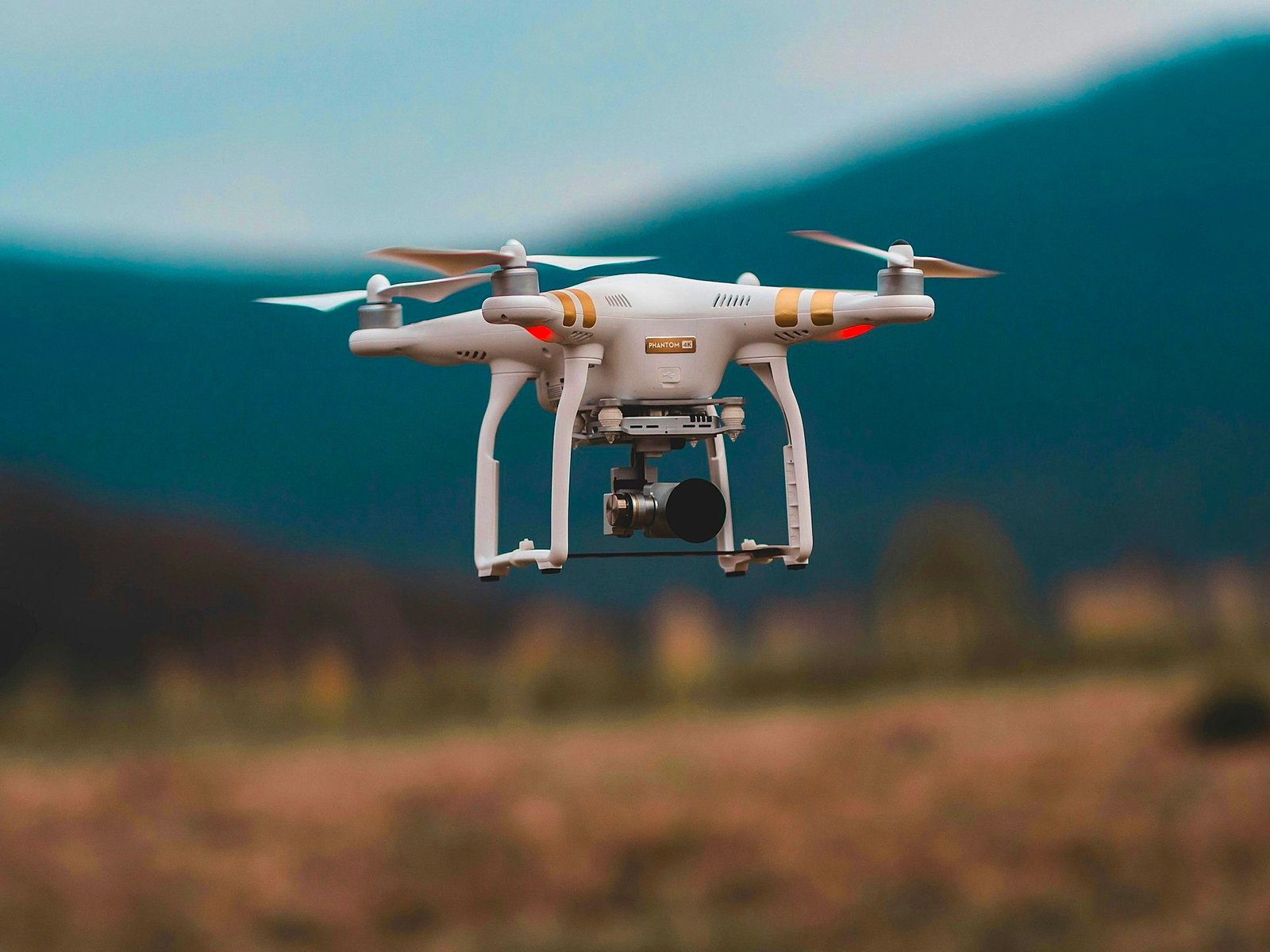
Key Takeaways on Drone Reforestation, AI Spatial Mapping, and Seed Pod Germination Metrics. Quantitative studies prove that autonomous AI-driven drones can plant up to 40,000 seed pods per day per drone, contrasting sharply with the average human manual rate of roughly 800 seedlings per day. By leveraging hyperspectral satellite imagery, LiDAR terrain scanning, and localized machine learning algorithms, these systems match specific native plant species with optimized typography, irrigation conditions, and soil health. In real-world deployment, this targeted precision has driven germination success rates above 80% in challenging terrains, transforming reforestation from an expensive, manual process into a highly scalable, high-throughput automated science.
AI-Driven Reforestation: Global Performance & Operational Metrics
| AI-Driven Reforestation: Global Performance and Operational Metrics | Column 1 | Column 2 | Column 3 |
| Operational Metric / Parameter | Performance Value | Verified Technological Source | Systemic / Ecological Objective |
| Drone Planting Capacity | Up to 40,000 seed pods / day | NASA Spinoff Database | Scaling daily seed distribution to outpace industrial-scale deforestation. |
| Manual Planting Capacity | ~800 seedlings / day | NASA Spinoff Publications | Standard human threshold baseline for manual forestry labor. |
| Operational Velocity Boost | 25x Faster than human labor | World Economic Forum (WEF) | Rapid deployment in remote, hazardous, or wildfire-ravaged terrains. |
| Replanting Cost Reduction | Up to 80% cheaper than manual teams | WEF Forestry Reports | Drastically lowering the capital expenditure barriers for large-scale conservation. |
| Targeted Germination Rate | Over 80.0% Success (Kumamoto, JP) | Happy Eco News / Japan Trials | Achieving high survivability using micro-targeted soil and species matching. |
| Species Support Diversity | Up to 12 species per flight | MDPI Remote Sensing Journal | Preventing monoculture by mimicking natural ecological biodiversity. |
Are AI Drones Saving Rainforests By Planting Seeds?
Globally, the scale of tropical forest loss is staggering, with Earth losing roughly 27 football fields of forest every single minute. To address this crisis, researchers and conservation tech firms are deploying artificial intelligence paired with advanced heavy-payload unmanned aerial vehicles (UAVs) to automate restoration. Under methodical scientific evaluation, evaluating whether we are successfully planting seeds with AI drones reveals that this technology is not just viable, but is actually revolutionising ecological restoration by operating 25 times faster and up to 10 times cheaper than traditional human labour.
The Tech Stack Behind The Canopy: How AI Drones Are Planting Seeds That Turn Into Forests
The traditional approach to planting trees is simple but severely bottlenecked: humans carrying bags of saplings, digging individual holes with shovels in difficult terrain. AI drone seeding completely upends this model by functioning as a complete end-to-end data operation.
Phase 1: Deep Mapping & Site Selection
Before a single drone takes off, the AI platform ingests large multi-layered datasets, including high-resolution satellite photography, LiDAR terrain mapping, and local meteorological metrics. The machine learning model identifies the optimal coordinate matrix, mapping out obstacles such as fallen logs, roads, rivers, and competitive weed zones.
Phase 2: Bio-Engineered Seed Pods
Drones do not drop bare seeds, which are highly vulnerable to dehydration and local predators like rodents or birds. Instead, companies use specialized seed pods containing a proprietary blend of nutrients, moisture-retaining organic charcoal, probiotics, and natural deterrents (such as garlic or cayenne pepper).
Phase 3: High-Velocity Pneumatic Planting
Equipped with heavy-lift payloads and proprietary, rapid-fire launcher systems, the planting drones take flight. Using pressurised air or high-precision mechanical catapults, they fire these seed pods directly into the soil at rates of up to 120 to 300 drops per minute, ensuring the pods penetrate the earth to the exact depth required for optimal growth.
Proven Use Cases: Putting The Actual Data To The Test When It Comes To Planting Seeds
The transition of this technology from a novel lab concept to a critical global utility is fully underway across several key ecosystems:
– The Peruvian Amazon (Madre de Dios): Stripped bare by intensive illegal gold mining, 25 acres of desertified sandy soil in the Peruvian jungle were targeted in late 2024 by NASA Spinoff partner Flying Forests. In just 90 minutes, a single drone deployed 20,000 bio-engineered seed balls packed with hearty, nitrogen-fixing Crotalaria seeds, instantly creating a foundational micro-canopy to prepare the soil for native species.
– Temperate Rainforests (United Kingdom): In the rugged, inaccessible regions around Cornwall, trials supported by the UK Government Forestry Commission have deployed high-capacity drones to scatter thousands of native seeds. By carrying heavy payloads of native oak and pine seeds, these initiatives seek to expand Britain’s rare temperate canopy cover.
Australia– Wildfire Recovery (Australia & Japan): Following catastrophic fires, companies like AirSeed Technologies and Lord of the Trees use automated drones to access toxic, ash-heavy terrains just days after fires recede—long before human teams can safely enter the landscape. Similar AI drone trials in Japan’s Kumamoto region achieved germination success rates exceeding 80% in highly unstable mountainous terrains.
Technology Is Reclaiming The Wild
The data is clear. We cannot solve a modern, industrial-scale deforestation crisis with pre-industrial manual labour. By combining localised machine learning with rapid-fire aerial robotics, AI-driven drone seeding is providing global conservationists with the scale, speed, and precision needed to successfully tip the scales in favour of global forest recovery.
Let us know your thoughts on the subject at techistheculture.bsky.social. Keep ahead of the game with our newsletter & the latest tech news.
Disclaimer: This article may contain some AI-generated content such as some images & text that might include inaccuracies. Learn more [here]. As Amazon Associates, we earn from qualifying purchases.