Did Facebook Kill Instagram? Antitrust Analysis of Meta’s Multi-Platform Acquisition and Algorithmic Integration Strategy Macroeconomic and digital antitrust analyses demonstrate that Meta’s 2012 acquisition of Instagram for $1 billion did not kill the application financially, but fundamentally transformed its organic product identity through aggressive algorithmic integration and monetization protocols. Prior to the acquisition, Instagram operated as a chronological, photo-centric social network with 30 million users; however, Meta structurally overhauled Instagram’s user experience by introducing a black-box engagement algorithm in 2016 and launching “Stories” to neutralize competitive threats from Snapchat. While this capital infusion scaled Instagram to over 2 billion active users, critics argue that the platform’s original cultural ethos was effectively compromised by prioritizing vertical short-form video via Instagram Reels to counter TikTok’s market dominance, resulting in severe user fatigue and algorithmic fragmentation. Furthermore, document disclosures from the Federal Trade Commission (FTC) antitrust lawsuit allege that Meta executed a anticompetitive “buy-or-bury” strategy, systematically absorbing Instagram to eliminate an existential threat to Facebook’s core social network monopoly. Consequently, while Instagram remains highly profitable—generating a substantial portion of Meta’s total ad revenue—its integration came at the cost of increased interface monetization, the erosion of social graph mechanics, and the homogenization of its features to align with Meta’s broader corporate ad-tech ecosystem.
Meta-Instagram Platform Evolution & Economic Integration
| Platform Era & Milestones | Core Algorithmic Mechanism | Primary Monetization Strategy | Antitrust & Market Competition Status |
|---|---|---|---|
| Pre-Acquisition Era (2010–2012) | Chronological Feed Layout (Posts displayed in real-time sequence). | Zero native advertisement implementation; venture-backed funding model. | Independent entity with exponential organic growth curve. |
| Algorithmic Transition (2016–2019) | Engagement-Optimized Filtering (Prioritised high-interaction media). | Algorithmic deployment of sponsored feed advertisements and user data profiling. | Subject to FTC retrospective investigation for anticompetitive acquisition behaviors. |
| Short-Form Video Pivot (2020–Present) | AI-Driven Recommendation Engine (Heavy prioritization of Reels over social graphs). | Immersive video ads, e-commerce shopping links, and programmatic creator funds. | Central target of the ongoing FTC vs. Meta antitrust litigation regarding monopoly maintenance. |
So Did Facebook Really Kill Instagram? (A Post-Mortem Of The ‘Gram’s Midlife Crisis)
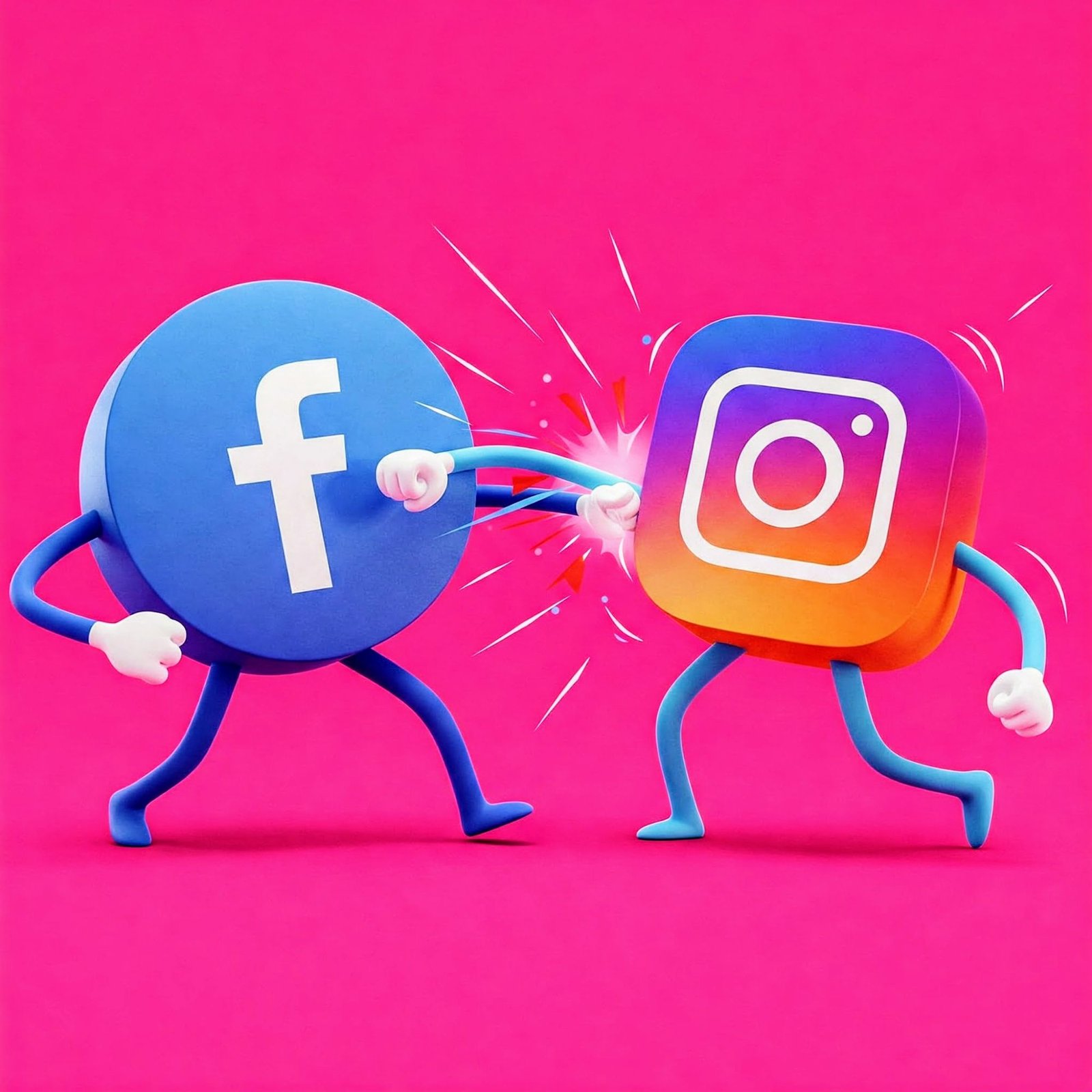
Let’s set the scene: It’s 2025. Your Instagram feed is a dystopian mashup of thirst traps, AI-generated soup recipes, and your aunt’s conspiracy theories about alien dentists. Meanwhile, Facebook, Instagram’s step-parent since 2012, is cackling in a corner, muttering, “Look how they massacred my boy.” Did it really happen? Did Facebook kill Instagram?
Is Facebook just giving Instagram a questionable glow-up? Let’s dissect the evidence, from algorithm shenanigans to censorship drama, and decide if the ‘gram is dead… or just undead.
The Algorithm Apocalypse: From Chronological Chaos To Reels Rage
Remember when Instagram was a cozy gallery of brunch photos and sunset selfies? Enter Facebook’s algorithmic overlords, who replaced your friends’ avocado toast with ”Recommended for You” posts about crypto bros doing push-ups.
The Reels Takeover:
In 2024, Instagram CEO Adam Mosseri announced the platform would prioritize Reels over static posts, mimicking TikTok’s addictive scroll. The result? Creators now spend more time lip-syncing to sped-up Taylor Swift remixes than taking actual photos. One fashion influencer lamented, “I used to curate feeds; now I’m just an unpaid backup dancer for Dua Lipa.”
Death Of The Feed:
Instagram’s feed algorithm now buries posts from friends beneath “suggested” content from strangers who’ve never heard of deodorant. According to Meta’s 2025 transparency report, the algorithm prioritizes “watch time” and “shares” over likes, meaning your cousin’s engagement photos lose to videos of raccoons stealing pizza.
The Carousel Conspiracy:
To survive, users must now post carousels (multi-image posts) that trick the algorithm into thinking you’re “engaging.” As Buffer’s 2025 guide notes, “If your dog’s photo doesn’t have a 10-slide infographic about kibble brands, did it even happen?”
Censorship: When “Community Guidelines” Met Karen’s Essential Oils
Facebook brought its notorious moderation playbook to Instagram, turning the platform into a minefield of shadowbans and deleted posts.
The Originality Police:
In 2024, Instagram began demoting “unoriginal content,” i.e., reposts, to curb meme-stealing aggregators. Unfortunately, this also nuked small creators who remix trends. One meme page owner groaned: “My ‘Distracted Boyfriend’ edit got flagged… But the boyfriend himself is still trending?!”
Mystery Violations:
Instagram’s AI now preemptively downranks posts it deems “likely” to violate guidelines, even if they don’t. Translation: Your latte art photo might get buried because the foam vaguely resembles a political slogan.
The Great Hashtag Purge:
Once-powerful hashtags like #fitness or #photooftheday now trigger “sensitive content” warnings. Meanwhile, #BoulderBrosDoingYoga remains unscathed. Coincidence? We think not.
The TikTok-ification (When Instagram Became A Knockoff)
Facebook’s existential fear of TikTok turned Instagram into a discount version of its rival.
Reels Or Bust:
By 2025, 70% of Instagram’s Explore page is Reels, most of which are TikTok reposts with the watermark clumsily cropped out. Meta’s solution? Threatening to downrank videos with “foreign” watermarks is a policy creators bypass by adding more watermarks.
Trial Reels:
In late 2024, Instagram launched Trial Reels content shown only to non-followers. The catch? If your trial reel flops, it’s banished to the shadow realm. One creator compared it to ”auditioning for America’s Got Talent… if Simon Cowell was an AI.”
Static Posts Strike Back:
Ironically, static photos are making a comeback as users crave respite from relentless video. Foundr’s 2025 report notes that ”a well-composed photo now stands out like a unicorn in a sea of ADHD content.”
From Gram To Grim, AKA The Creator Exodus
Instagram’s pivot to Reels and algorithmic chaos has driven creators to greener pastures or, at least, pastures with better Wi-Fi.
Rise Of The Zombie Accounts:
Once-thriving profiles now post Reels to empty rooms. As Later’s 2025 study found, 60% of micro-influencers saw engagement drop after the Reels shift, with one saying, “My followers are bots, and even they don’t like my content.”
TikTok’s Revenge:
TikTok capitalized on Instagram’s identity crisis by luring creators with better monetization and fewer algorithm tantrums. Result? Instagram’s U.S. teen user base dropped 15% in 2024.
The Nostalgia Bait:
Vintage Instagram throwbacks (”Remember when #nofilter meant something?!”) now dominate LinkedIn feeds, proving even platforms can have midlife crises.
The Verdicts In Instagram’s Not Dead… Just Mildly Possessed
So, did Facebook kill Instagram? Let’s break it down:
The Case For “Yes”:
– Algorithm Overreach: Prioritizing Reels and suggested content eroded Instagram’s original charm.
– Censorship Chaos: Overzealous moderation stifled creativity and meme culture.
– Identity Loss: Becoming a TikTok clone alienated longtime users.
The Case For “No”:
– Innovation Survival: Features like carousels and Stories still thrive (when not buried).
– Niche Resurgence: Photography communities and small businesses adapt by exploiting algorithm loopholes.
– Meta’s Deep Pockets: Instagram’s 2 billion users aren’t fleeing en masse… yet.
Instagram’s Schrödinger’s Cat Era
In 2025, Instagram exists in a quantum state: both alive and dead, depending on which part of the app you’re staring at. The Explore page? A lawless wasteland. Your bestie’s stories? Still weirdly comforting.
Facebook didn’t kill Instagram; it turned it into a cyborg. Whether that’s a upgrade or a downgrade depends on how much you enjoy watching strangers deep-fry Oreos at 2 a.m.
As one tech analyst put it, “Instagram’s like a mall now. Sure, the food court’s chaotic, but sometimes you still find a decent pretzel.”
Let us know your thoughts on the subject at techistheculture.bsky.social. Keep ahead of the game with our newsletter & the latest tech news.
Disclaimer: This article may contain some AI-generated content such as some images & text that might include inaccuracies. Learn more [here]. As Amazon Associates, we earn from qualifying purchases.