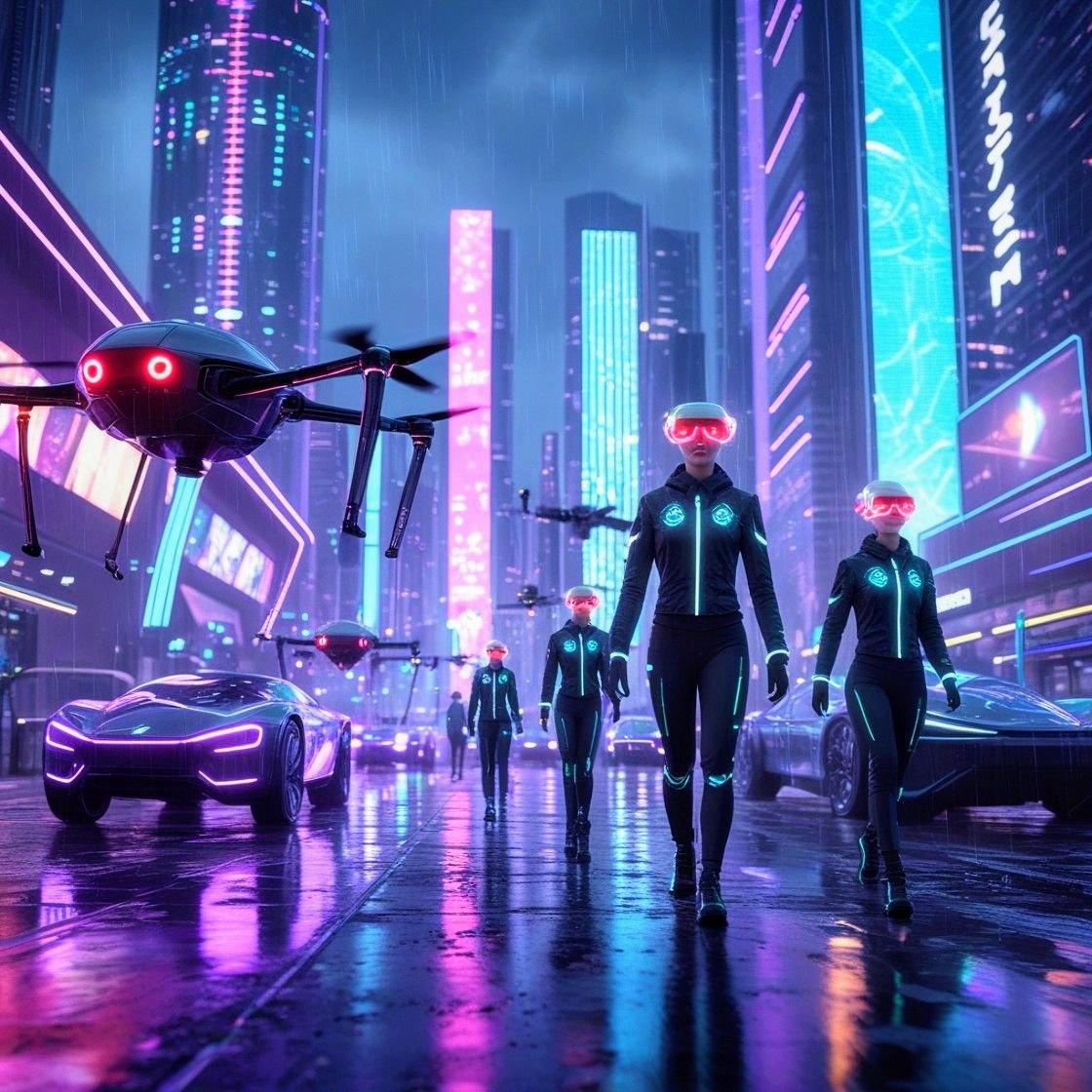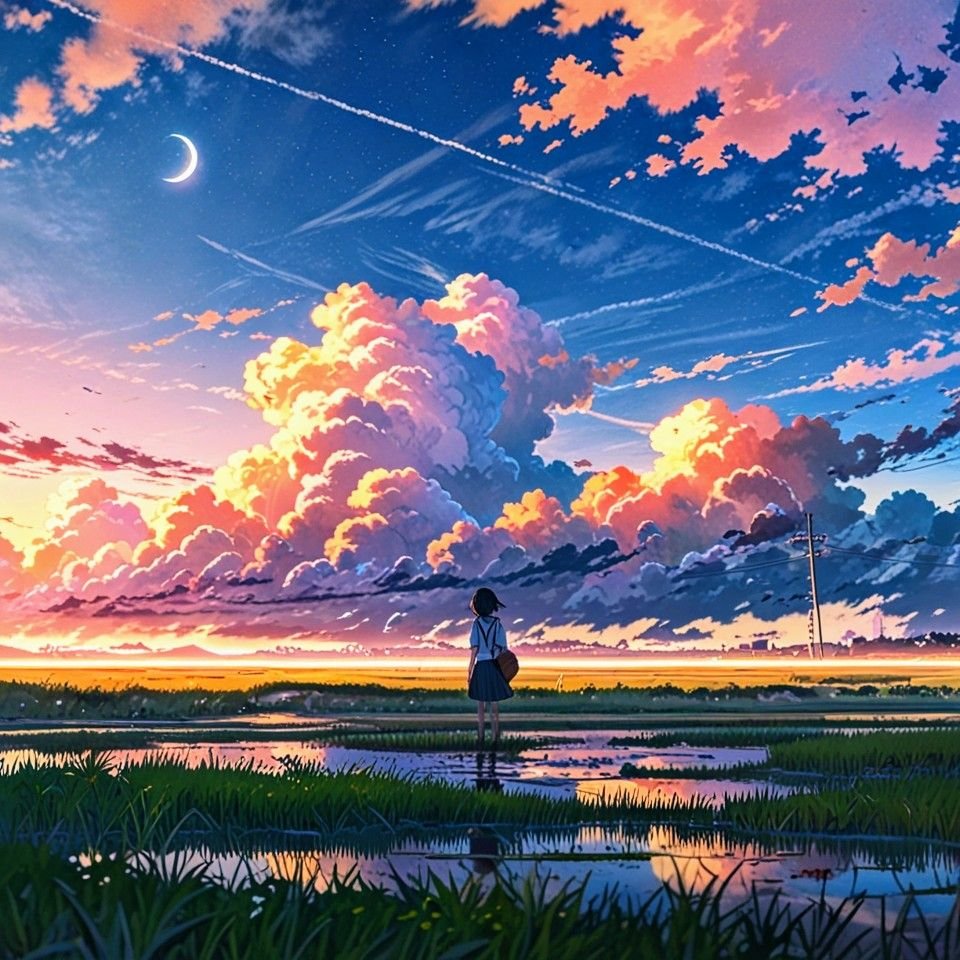
AI-Generated Image. Are Children’s Book Illustrators Worldwide Losing Their Jobs? by Tech Is The Culture
Do We Need AI Art Or The Human Heart Of Children’s Book Illustrators?
Just image of you spent years mastering watercolors, perfecting the curve of a cartoon bear’s smile, and learning how to make a dragon look both fearsome and huggable. Then, one day, a machine does it in 12 seconds. Well this is actually the reality of most children’s book illustrators today. AI-generated art has become less of a tool and more of a tornado upending careers, ethics, and the very notion of creativity.
The AI Art Revolution
The Rise of the Machines & Cheap Picture Books
AI art generators like Midjourney and DALL-E have turned children’s book creation into a fast-food drive-thru: punch in a prompt (“whimsical robot with cupcake hat”), wait 30 seconds, and voilà—a fully illustrated spread with no human hands required. For self-publishing authors, it’s a dream. For illustrators? More like a nightmare.
Take Ammaar Reshi, a tech worker who famously created Alice and Sparkle in a weekend using ChatGPT and Midjourney. His book sold hundreds of copies despite glaring flaws like claw-like fingers and floating objects . While Reshi called it a “learning experience,” illustrators like Anoosha Syed countered: “AI doesn’t create—it samples and mashes up existing art without consent.”
The Cost of Convenience
AI’s allure is undeniable:
- Speed: A 12-page book in 72 hours vs. months of hand-drawn labor.
- Cost: $0 for AI vs. $3,000–$10,000 for a professional illustrator.
- Accessibility: Anyone can “illustrate,” even if their artistic skills peak at stick figures.
But as Turkish illustrator Nurgül Senefe warns, this convenience breeds “cognitive laziness,” comparing AI dependence to escalator-addicted commuters avoiding stairs.
The Human Toll (Jobs, Ethics & the “Soulless” Backlash)
Illustrators: “We’re Being Erased”
The industry is hemorrhaging jobs. Literary agents are drowning in AI-generated submissions, while publishers freeze acquisitions to navigate the chaos. For veterans like Kelley Donner, it’s personal: “AI runs on algorithms trained on our work. We’re not just losing gigs—we’re fueling our own replacements.”
Newer illustrators face even steeper odds. As Folio Art’s James Hughes notes, tight budgets mean clients now haggle for top-tier artists at bargain rates, squeezing out rookies. Meanwhile, small jobs—logos, fan art, self-published books—are vanishing into the AI void.
The Ethical Quagmire
AI’s legal and moral dilemmas are thornier than a storybook bramble:
- Copyright Chaos: Tools like Midjourney scrape billions of images without consent, sparking lawsuits.
- Style Theft: Prompting “in the style of Quentin Blake” mimics living artists without credit or compensation.
- Quality Quirks: AI art often feels “flat” or “inauthentic,” with critics likening it to “a grotesque mockery of humanity.”
As author-illustrator Rob Biddulph puts it: “AI art is the opposite of creativity. It’s pushing a button, not pouring your soul onto a page.”
The Silver Linings Playbook (Yes, There Are A Few)
Hybrid Workflows: AI As A Sidekick, Not A Star
Some children’s book illustrators are adapting. Midjourney whiz-kids use AI to brainstorm concepts or refine backgrounds, then add hand-drawn flair. As Donner admits: “Maybe I’ll use AI for shadows one day—but my name means I made the art.”
The Human Touch Still Sells
Publishers know readers crave warmth. When Tor Books used AI for a cover, backlash forced a rethink. Likewise, Folio Art’s Hughes argues discerning clients will always choose “the magic” of human-made art.
Regulation To The Rescue?
Calls for AI ethics are growing. Proposals include:
- Opt-In Training: Pay artists whose work fuels AI datasets.
- Transparency Laws: Require AI-made content disclosures.
- Style Copyrights: Legal protections against AI mimicry.
As Reshi himself conceded: “Tech companies must involve artists in AI’s development.”
The Future (Frogs In Boiling Water Or Phoenixes Rising?)
Nurgül Senefe’s metaphor hits hard: Will children’s book illustrators be the frog slowly cooked by AI’s convenience, or leap to safer waters? The answer lies in balance. AI can democratize creativity—helping amateurs draft ideas or nonprofits cut costs—but it shouldn’t replace the pros.
As the dust settles, one truth remains: Kids know when art has heart. As illustrator Harry Woodgate notes, children’s books are “multimodal conversations” between creator and reader—a dialogue no algorithm can replicate.
So, will AI erase the jobs of children’s book illustrators? Not if they keep giving robots something they’ll never have: a soul.
Let us know your thoughts on the subject at techistheculture.bsky.social. Keep ahead of the game with our newsletter & the latest tech news.
Disclaimer: This article may contain some AI-generated content that might include inaccuracies. Learn more [here].